

In recent years, trust in government, media, and public systems has declined across many societies. Headlines frequently highlight corruption, misinformation, political polarisation, and systemic failure.
But beyond the political landscape, something more subtle and far-reaching is shifting: a change in how safe, predictable, and trustworthy the world itself feels.
These trust issues are often framed as political or social concerns, but the psychological impact of this loss of trust is just as important.
When trust in institutions breaks down, it can unsettle our previous, most basic assumptions of safety, fairness, reliability, and trust. What once felt stable can begin to feel uncertain, and what once felt trustworthy can start to feel ambiguous or fragile.

Subscribe to stay updated with the latest blog posts from Leone Centre.
It can shake our broader sense of what can be trusted at all, quietly shaping how we relate to others, how safe we feel in relationships, and even how much we trust ourselves.
Many counsellors are beginning to notice this growing impact on their clients.
Understanding how wider societal uncertainty permeates into our emotional and relational lives is an important step toward rebuilding a sense of internal stability.
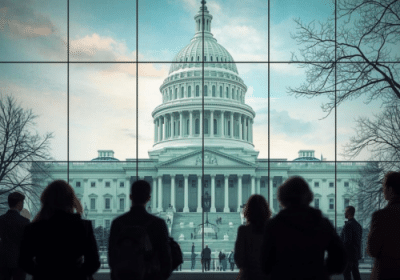
What Happens When Trust in Systems Breaks Down?
When trust in governments, media, and public systems begins to erode, the impact often reaches far beyond opinions or political beliefs.
Official statistics report that there has been a loss of trust in the media and journalism and that “the UK public’s trust in government ministers reached an all-time low in 2023 (Ipsos, 2023)” and has stayed low into 2026.
For many, this loss of faith in systems can trigger a deeper kind of rupture, what some describe as moral shock, where previously held assumptions about fairness, truth, or human integrity no longer feel reliable.
This is not simply a shift in what we think, but a shift in how we experience the world.
Research and therapeutic experience suggest that institutional distrust can contribute not only to surface-level scepticism, but to trust issues as a whole and a more profound sense of moral disillusionment.
It can contribute to a general sense of mistrust:
- Increased anxiety and social suspicion
- Emotional guardedness
- Difficulty trusting others’ motives
- A sense of instability or uncertainty
- An erosion of belief in shared values or human goodness
- A growing awareness of corruption or systemic failure that feels difficult to reconcile
- Existential unease and feeling unsure what can be trusted at all
These responses are deeply human. When something that once felt reliable begins to feel inconsistent or unsafe, the mind naturally tries to protect itself.
However, over time, these trust issues can reshape how we relate to others and the world. Relationships may feel harder to navigate, and connection itself can begin to feel risky or fragile.
Why Do Systems and Society Matter Psychologically?
Institutions don’t just provide us with services and laws; they also create a sense of order and emotional predictability.
Systems help reinforce the belief that:
- rules apply fairly
- truth can be verified
- systems exist to protect people
- society operates within stable boundaries
When these systems feel reliable, we rarely think about them.
But when they feel broken or untrustworthy, it can create a deeper emotional impact; a sense that the world is less safe or less predictable than we thought.
For many people, this feels like a form of collective disappointment or even betrayal.
How Can Institutional Distrust Affect Personal Relationships?
Experiencing systemic distrust can cause more generalised trust issues and impact everyday interactions.
Generalised Suspicion
When trust in institutions declines, it can lead to a broader sense of doubt about people’s intentions.
You might notice thoughts like:
- “Everyone has an agenda.”
- “You can’t trust what anyone says anymore.”
- “People are mostly out for themselves.”
While some level of scepticism is healthy, constant suspicion can make it difficult to feel close to others or feel constantly threatened.
Emotional Withdrawal
When the world feels uncertain, many people respond by protecting themselves emotionally.
This might look like:
- holding back vulnerability
- avoiding reliance on others
- struggling to share feelings
- becoming overly self-reliant
Although these strategies can feel safe, they often lead to loneliness and disconnection over time.


Polarisation and “Us vs Them” Thinking
In uncertain times, people naturally seek safety and belonging.
This can lead to stronger identification with like-minded groups, whether political, cultural, or online communities.
While this can feel reassuring, it can also narrow our perspective and make it harder to remain open, curious, and relational with those who think differently.
How Does Cynicism Affect Us Emotionally?
Cynicism often develops as a way to protect against disappointment.
It can feel like realism, or even wisdom, to expect the worst.
In this sense, cynicism is not a flaw, but a form of adaptation.
But over time, cynicism can reduce:
- openness to others
- curiosity and empathy
- willingness to trust
- emotional intimacy
Underneath cynicism, there is often something more vulnerable: disappointment, grief, or a sense of loss about how we hoped the world would be.
Recognising this can be a powerful step toward healing.
How Do Trust Issues Show Up in Relationships?
In counselling and psychotherapy, wider societal distrust often appears in subtle but meaningful ways.
For example, people may:
- assume negative intentions more quickly
- struggle to believe reassurance from partners
- become hyper-aware of betrayal
- find it difficult to relax into trust
In relationships, even small disagreements, especially around politics or values, can feel emotionally charged.
Often, the deeper question isn’t just about opinions, but something more fundamental:
“Are we still safe together in an uncertain world?”
When couples understand this, conversations can shift from conflict toward connection.
Can We Rebuild Trust in an Uncertain World?
Rebuilding trust doesn’t mean ignoring real problems in society. It means developing a more balanced and intentional approach to trust.
Understanding Different Types of Trust
It can help to separate trust into different areas:
- Institutional trust – confidence in systems and structures
- Social trust – belief in cooperation within society
- Relational trust – trust in specific people
- Self-trust – confidence in your own judgement
Even if one area feels shaken, others can still be strengthened. This is where rebuilding often begins.
How to Rebuild Trust Through Everyday Experiences
Trust is rarely rebuilt through big moments. It grows through small, consistent interactions.
For example:
- honest and open communication
- reliability and follow-through
- repairing misunderstandings after conflict
- respectful conversations across differences
These small moments matter more than they appear. Over time, they begin to restore a lived sense that trust is still possible.
Can Counselling Help with Trust Issues?
If distrust, cynicism, or emotional distance is affecting your relationships or wellbeing, counselling can offer a supportive space to explore these feelings.
Therapy can help you:
- understand how societal uncertainty is affecting you
- process disappointment or loss of trust
- rebuild openness in relationships
- develop healthy boundaries and discernment
Working with a counsellor can help you make sense of how the wider world is shaping your inner experience. Rather than removing uncertainty, therapy often helps people learn how to stay grounded and connected within it.
At Leone Centre, we have a team of highly experienced and carefully selected therapists available to support you both online and in-person in London.
Rebuilding Trust as a Daily Practice
In uncertain times, it’s natural to search for certainty. However, complete certainty is rarely possible.
What is possible is developing a different relationship with uncertainty that allows for both awareness and openness.
Trust can be rebuilt in small, meaningful ways:
- through relationships
- through community
- through everyday acts of reliability and care
Trust is less about blind faith and more about gently opening up, being vulnerable, and allowing others to meet you emotionally. In small doses, this can help us to bring down our walls and allow ourselves to trust again.
It requires awareness, openness, and the willingness to stay connected, even when things feel uncertain.
And even in difficult times, trust can still grow quietly, gradually, and often where we least expect it.
Frequently Asked Questions
Why does institutional distrust affect relationships?
Institutions create a sense of stability. When that stability is shaken, people may feel less safe and become more guarded in personal relationships.
Can political distrust affect mental health?
Yes. Ongoing exposure to political conflict and institutional failure can contribute to anxiety, emotional fatigue, and cynicism.
Is cynicism a healthy coping mechanism?
Short-term scepticism can be protective. However, long-term cynicism may reduce trust, openness, and emotional connection.
How can I rebuild trust in relationships?
Trust can be rebuilt through consistent, honest communication, emotional repair after conflict, and small, reliable interactions over time.
Can counselling help with trust issues?
Yes. Counselling can help you explore the roots of distrust and develop healthier, more secure ways of relating to others.
- About the Author
- Latest Posts

Co-founder and director of Leone Centre, 20+ years of experience supporting people, and offering valuable knowledge through Couples Counselling and Individual Counselling. Before becoming a therapist, I worked in the financial sector.